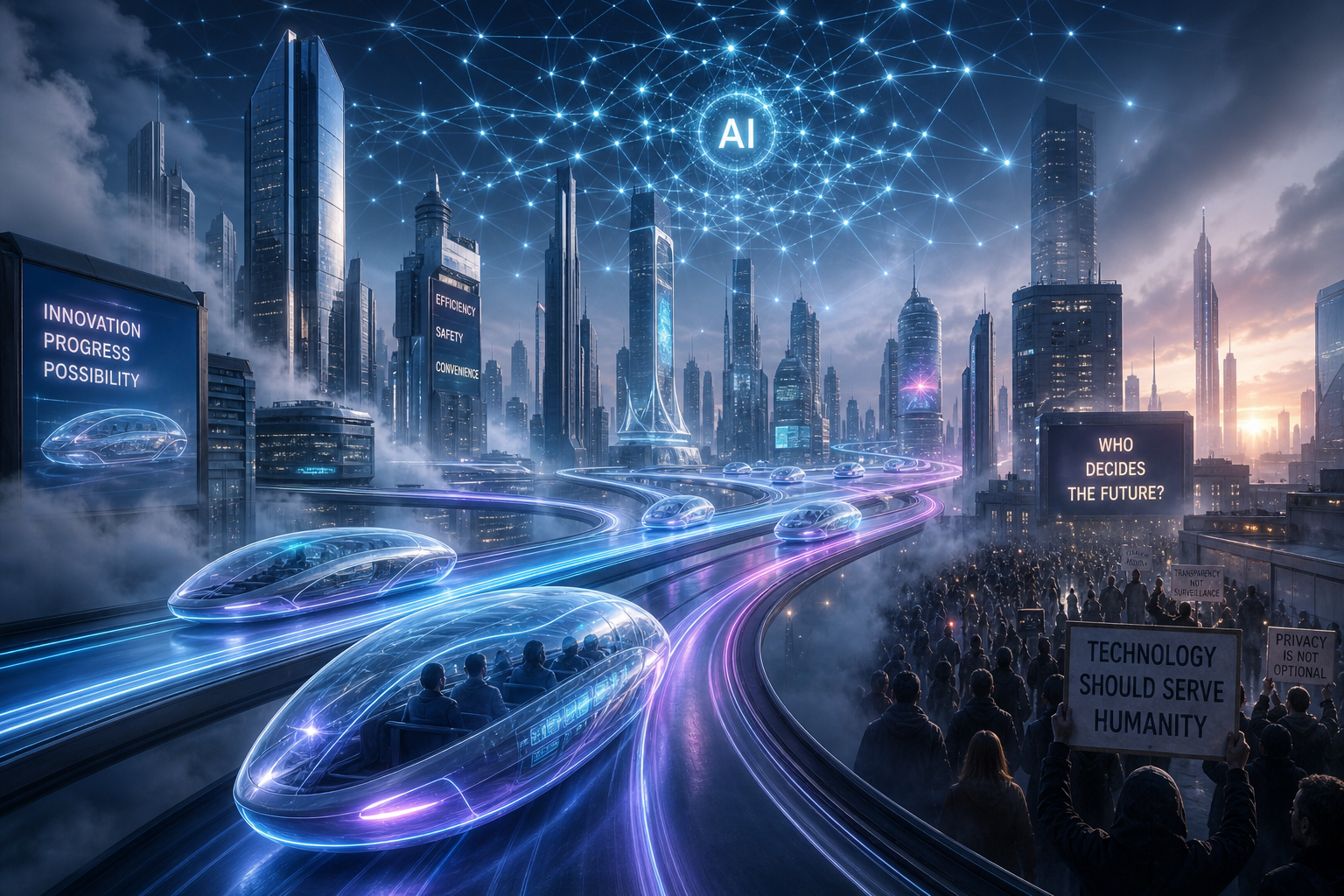
When we think of the future of transportation, images of sleek, driverless vehicles navigating seamlessly through bustling city streets often come to mind. But as robotaxis transition from concept to reality, they are encountering significant hurdles. The expansion of these autonomous vehicles is not without its controversies, as evidenced by recent developments in New York and Washington, D.C.
The New York Stalemate
In New York, the vision of robotaxis zipping through the streets has hit a roadblock. Earlier this year, Governor Kathy Hochul withdrew a proposal that would have paved the way for driverless taxis outside New York City. The proposal was retracted after facing strong opposition from taxi drivers, unions, and state lawmakers. The exact timing of the withdrawal wasn't specified, but as of now, commercial driverless services remain illegal in the state, with no clear path forward. This situation highlights a critical tension between technological advancement and the preservation of existing jobs.
Washington, D.C.'s Legislative Battle
Meanwhile, in Washington, D.C., the discussion over robotaxis is equally charged. Labor unions are actively challenging legislation that seeks to legalize commercial robotaxis. Alongside this resistance, lawmakers are considering proposed measures such as a cap of 200 vehicles and a 15-cent-per-mile fee. These proposals are intended to fund Metro upgrades and support workers displaced by the rise of autonomous vehicles. As of the latest updates, the legislation is still under discussion, with debates ongoing about its potential impact. This approach reveals a pragmatic side to the debate: while innovation is encouraged, there is an acute awareness of the need to manage its societal impacts carefully.
The Broader Implications
These local disputes underscore a broader, global conversation about the role of AI in our daily lives. Robotaxis, at their core, represent a significant leap in AI capabilities. They promise to reshape urban transportation, offering potential benefits such as reduced traffic congestion and lower emissions. However, the pushback they are facing serves as a reminder that innovation often comes with trade-offs. The challenge lies in balancing the benefits of new technologies with the potential disruptions they bring to existing industries and the workforce.
Navigating the Future
From my perspective, the resistance to robotaxis is not merely a rejection of technology. It reflects deeper societal concerns about the pace of change and its uneven impacts. As we stand on the brink of this new era in transportation, the question is not just about how quickly we can deploy these technologies, but how thoughtfully we can integrate them into our communities.
The debate over robotaxis is a microcosm of the broader AI and ethics dialogue. As we continue to innovate, we must remain vigilant about the ethical implications. How do we ensure that technological progress does not exacerbate inequality? How do we craft policies that foster innovation while protecting those who might be adversely affected? These are questions that require deliberate reflection and inclusive dialogue.
In the end, the journey of robotaxis from concept to commonality will be shaped as much by human values and governance as by technological prowess. The road may be uncertain, but it's a journey worth taking with care and consideration.